
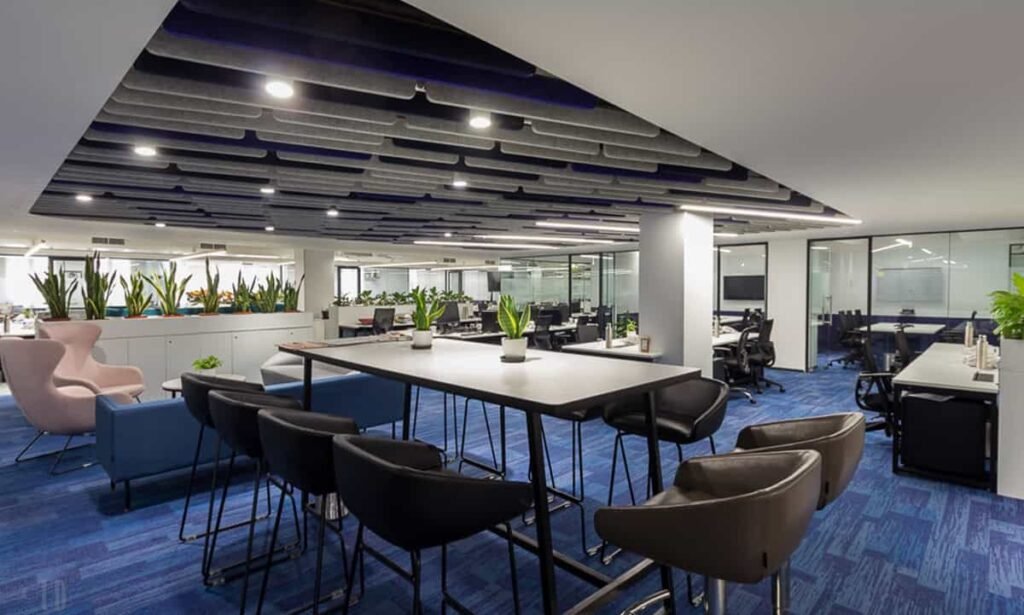
When designing or renovating an office space, the focus often falls on furniture, lighting, and flooring. However, one crucial element that can dramatically influence the atmosphere and functionality of a workspace is the office ceiling. Often overlooked, the ceiling is a blank canvas that offers both aesthetic appeal and practical benefits, playing a key role in shaping the overall interior design.
1. Why Office Ceilings Matter
The office ceiling is more than just the overhead surface; it impacts acoustics, lighting distribution, energy efficiency, and the perception of space. A well-designed ceiling can:
-
Create a sense of openness or intimacy depending on height and texture.
-
Improve sound absorption, reducing noise distractions.
-
Enhance natural and artificial lighting through reflective surfaces or integrated fixtures.
-
Conceal wiring, ductwork, and HVAC systems for a cleaner look.
2. Popular Office Ceiling Solutions
a. Suspended (Drop) Ceilings
One of the most common solutions, suspended ceilings consist of a metal grid that supports lightweight tiles. They allow easy access to utilities, improve acoustics, and come in various finishes, from plain white to decorative patterns.
b. Exposed Ceilings
Popular in modern and industrial office designs, exposed ceilings showcase structural elements like beams, pipes, and ducts. When painted or treated thoughtfully, they create an open, airy feel and add architectural interest.
c. Acoustic Ceilings
Specialized acoustic panels or tiles reduce noise pollution, essential for open-plan offices. These can be combined with aesthetic designs to blend function and style seamlessly.
d. Coffered Ceilings
Featuring recessed panels in grids or patterns, coffered ceilings add depth and elegance, often suited for executive offices or meeting rooms.
e. Stretch Ceilings
Made from flexible materials stretched across frames, these ceilings can incorporate lighting, graphics, or textures for a customizable look.
3. Integrating Technology and Sustainability
Modern office ceilings often integrate smart technologies such as LED lighting, sensors, and climate control systems, contributing to energy efficiency and occupant comfort. Additionally, sustainable materials and designs—like recycled tiles and natural finishes—reflect growing environmental awareness.
4. Designing for Your Office Needs
Choosing the right ceiling solution depends on factors like office layout, budget, branding, and functional requirements. Collaborating with architects and interior designers ensures that the ceiling complements the overall aesthetic while meeting practical demands.
Conclusion: Raising the Bar with Ceiling Design
An office ceiling is a pivotal yet frequently underappreciated element of interior design. By selecting thoughtful ceiling solutions, businesses can create work environments that inspire productivity, comfort, and style. Elevate your office interiors by looking up — the ceiling holds untapped potential waiting to transform your workspace.