
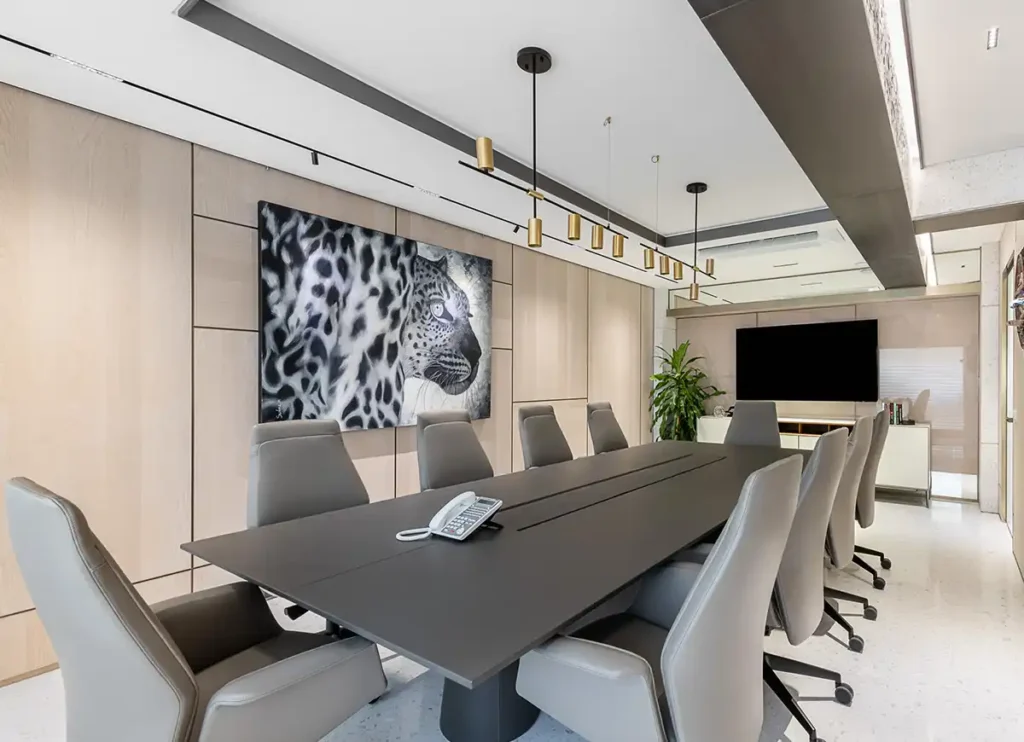
In today’s competitive and creativity-driven work environment, a well-designed office is more than just visually pleasing—it’s a strategic asset. The physical space where we work influences how we think, feel, collaborate, and perform. This is where office interior decorators step in—crafting spaces that are not only beautiful but also boost productivity, employee morale, and brand identity.
This article explores how interior decor plays a transformative role in shaping workplace dynamics and why businesses are investing in more than just desks and chairs.
🧠 Design Meets Purpose: More Than Just Looks
Good office design isn’t just about paint colors and furniture—it’s about creating an environment that aligns with the company’s culture, goals, and workflow. From open-plan spaces that encourage teamwork to private pods that support deep focus, every design element plays a role.
Interior decorators analyze:
-
Work patterns and employee behavior
-
Lighting, acoustics, and ergonomics
-
Brand aesthetics and space utility
-
Flexibility for future growth
The goal? To build an office that works as hard as the people inside it.
🧩 Elements That Shape Workplace Dynamics
1. Layout & Flow
Open layouts can foster collaboration, but zones for quiet and privacy are equally crucial. Strategic placement of workstations, meeting rooms, and breakout areas ensures optimal workflow.
2. Lighting
Natural light boosts mood and productivity. Decorators balance it with artificial lighting that reduces eye strain and enhances ambiance.
3. Color Psychology
Colors affect emotions. Blue enhances focus, green promotes calmness, and yellow sparks creativity. Smart decorators use these cues to set the tone in different zones.
4. Furniture & Ergonomics
Adjustable chairs, standing desks, and posture-supportive furniture directly impact employee health and efficiency.
5. Brand Integration
Incorporating logos, values, and color themes into decor reinforces brand identity and builds emotional connection with the space.
🛠 The Business Case for Professional Decorators
Hiring a professional office interior decorator is not an expense—it’s an investment. A well-designed office can:
✅ Increase productivity and focus
✅ Improve employee retention and satisfaction
✅ Create a positive impression on clients
✅ Maximize use of space and reduce clutter
✅ Reflect professionalism and modernity
In short, design influences business outcomes.
🔄 Adapting to New Norms: The Hybrid Workspace
The pandemic changed how we work. Interior decorators are now reimagining offices to support hybrid models—combining collaboration zones, virtual meeting booths, and hot-desking options.
They also focus on biophilic design (adding plants and nature), sanitized touchpoints, and tech-integrated spaces for seamless transitions between remote and in-office work.
Conclusion: Design That Drives Success
A well-decorated office doesn’t just house work—it amplifies it. From reducing stress to sparking innovation, every design choice influences workplace dynamics in powerful ways. By aligning space with strategy, office interior decorators help build work environments that are not only productive but inspiring.